European Hotel Trends October 2025: Autumn leaves still green for European hospitality – By MKG Consulting
In October, European hospitality extended the strong back-to-business momentum:
Corporate demand has taken over from a solid summer season, while urban leisure is holding up well in most major capitals. With inflation easing to around 2.1% in the euro area, performance growth remains moderate but above CPI and broadly shared. It is driven above all by large metropolitan areas and the upper segments, while the budget segment is still more exposed to purchasing- power trade-offs. Behind this overall trend, however, the European map remains mixed.
The largest markets are in the green
In Germany, after several months under pressure, October finally marks a return to positive territory, supported by a favourable events calendar. Frankfurt benefited from CPHI Frankfurt 2025, a global meeting for the pharmaceutical industry; Düsseldorf from K 2025, the international showcase for plastics and rubber; Berlin hosted UEG Week, BarConvent Berlin, the European Commodities Exchange and then theESMO oncology congress. These cities pulled up the midscale andupscale segments, which captured most of the rebound.
In the United Kingdom, the market recovery is confirmed, with RevPAR up 4.5% YoY in October. London continued to rebound (+3.2%), allowing it to move closer to break-even on a year-to-date basis, while Manchester now tops the ranking of major metro areas in both October and YTD.
In Spain, activity remains well oriented, with a further 4.3% increase in RevPAR driven by both occupancy (+1.4 pts) and average rate (+2.5%). Barcelona did suffer a temporary setback due to its very strong October2024 events calendar, but other cities, including Madrid, more than compensated. Bilbao stands out: the opening of new air routes has been supporting demand for several months and is boosting local results well beyond the single month of October.
In France, Paris and the upper segments continue to drive the market, with high occupancy levels and solid average rates. Conversely, the persistent weakness of Île-de-France outside Paris weighs on the national picture. In the Provinces, however, budget and economy segments moved back into positive territory for the first time in many months, a sign that the domestic customer base is reactivating. In the regions, Lyon fully benefited from the Pollutec trade fair.
Southern Europe: When corporate and leisure demand go hand in hand
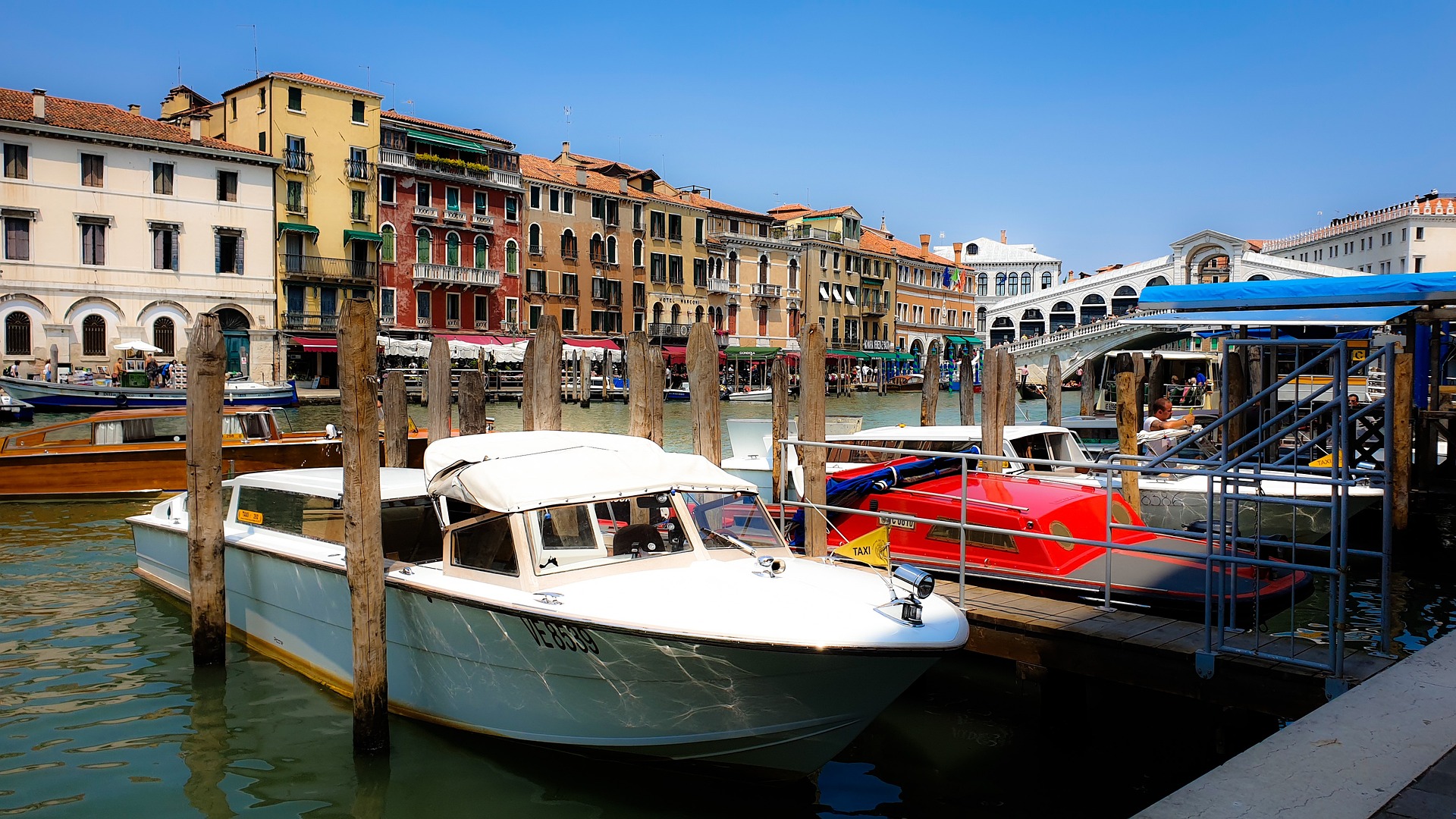
Around the Mediterranean, Italy continues to shine, but trends are heterogeneous: Rome and Turin are driving momentum with double- digit RevPAR growth in October, while Milan and Venice stepped back.
In Portugal, Lisbon and Porto remain on a positive trajectory, supported by robust international tourism and a growing flow of professional events. Growth is nevertheless more contained than in Italy, with hoteliers arbitrating between occupancy and pricing as demand fluctuates from week to week.
In Greece, October marks the real end of the season: the islands gradually reduce capacity, while Athens continues its transformation into a hybrid leisure/business destination.
Eastern Europe: Growth is still going strong
In Poland and the Czech Republic, RevPAR levels remain among the most dynamic in Europe, with increases well above the continental average. A mix of strong domestic demand, solid cross-border flows and competitive pricing continues to drive performance. Budapest and the Baltic capitals are benefiting from renewed appetite for city breaks, a likely recovery in Russian demand and a value-for- money perception that remains attractive, allowing them to maintain satisfactory occupancy levels, even if this means moderating pricing
ambitions.
Overall, Eastern Europe confirms its role as a growth engine, with markets still in a catch-up phase but exposed to fluctuations in international demand and exchange-rate effects. Fair weather on markets usually driven by business demand On smaller markets that are heavily structured around corporate demand, the mood is generally positive.
In the Benelux, the recovery in business travel and medium-sized meetings has restored satisfactory occupancy levels without any sharp rise in average rates, as hoteliers remain cautious in a context of persistently high costs. In the Netherlands in particular, volumes are rising sharply, perhaps partly due to clients anticipating major VAT increases scheduled for 2026.
In Austria and Switzerland, the overall picture is rather positive but far from homogeneous. Indicators are improving gradually, with Salzburg standing clearly apart from the rest.
All in all, October delivered a solid autumn month for European destinations, with the combination of corporate and leisure demand – boosted by a very dense events calendar in a handful of major cities – consolidating the rebound seen since the start of the autumn and laying the groundwork for the year-end period.
By: